
Tow Dolly vs Car Trailer: Which Should You Use?
Short answer: a tow dolly lifts only the front wheels of the car you’re towing, while a car trailer (car hauler) carries the whole car off the ground. A tow dolly is lighter, cheaper and easier to store, and it usually works well for front-wheel-drive cars. A car trailer is heavier and costs more, but […]
4-Pin vs 7-Pin Trailer Plug: What’s the Difference?
Short answer: a 4-pin plug runs only the trailer’s lights (running lights, left turn/brake, right turn/brake and ground). A 7-pin plug adds electric brakes, a 12-volt power line and usually reverse lights. If your trailer has electric brakes, you need a 7-pin connection and a brake controller in the tow vehicle. If it only has […]
Trailer Lights Not Working? How to Find and Fix the Problem
Few things are more frustrating than hooking up, doing your walk-around, and finding the trailer lights dead, flickering, or doing something strange like blinking on both sides. The good news is that most trailer light problems come down to a short list of causes, and you can usually track them down with a test light […]
Trailer Breakaway Switch: How It Works and How to Test It
Short answer: a trailer breakaway switch is a small switch with a pull pin on a cable. The cable clips to your tow vehicle, and if the trailer ever separates from the hitch, the cable yanks the pin out and the switch sends power from a battery on the trailer straight to the trailer’s electric […]
How to Hook Up Trailer Safety Chains the Right Way
Short answer: cross the two safety chains under the trailer tongue in an X, attach each one to the opposite side of the tow vehicle’s hitch, and leave just enough slack to make tight turns without the chains dragging on the road. Crossed chains form a cradle that can catch the tongue if the coupler […]
How to Hitch a Trailer: Step-by-Step Hook-Up Checklist
Quick answer: To hitch a trailer, chock its tires, open the coupler latch and raise the coupler above the ball, then back the ball straight under it. Lower the coupler until it seats, close and pin the latch, and do a lift test. Raise the jack fully, cross and hook the safety chains, attach the […]
Do Utility Trailers Need a Weight Distribution Hitch?
Do Utility Trailers Need a Weight Distribution Hitch? Here is the honest answer most utility trailer owners are looking for: usually not. Most utility trailers are small, single-axle, and light enough that a standard weight-carrying hitch handles them without any trouble. But “usually” is not “always,” and loading a utility trailer wrong can put you […]
Weight Distribution Hitches for Flatbed Trailers Guide
Weight Distribution Hitches for Flatbed Trailers: A Practical Guide Flatbed and car-hauler trailers create a weight-distribution challenge that other trailers do not: the load is heavy, it is placed by you, and where you place it changes everything. Roll a car six inches too far forward and your tongue weight jumps by hundreds of pounds; […]
Weight Distribution Hitches for Dump Trailers Explained
Weight Distribution Hitches for Dump Trailers: What You Need to Know Dump trailers are deceptively heavy. Empty, a tandem-axle dump trailer already weighs more than many loaded utility trailers, and once you add gravel, soil, or debris the tongue weight climbs fast and unevenly. That combination makes weight distribution a serious safety issue for dump […]
Trailer Hitch Classes Explained: Class I, II, III, IV & V
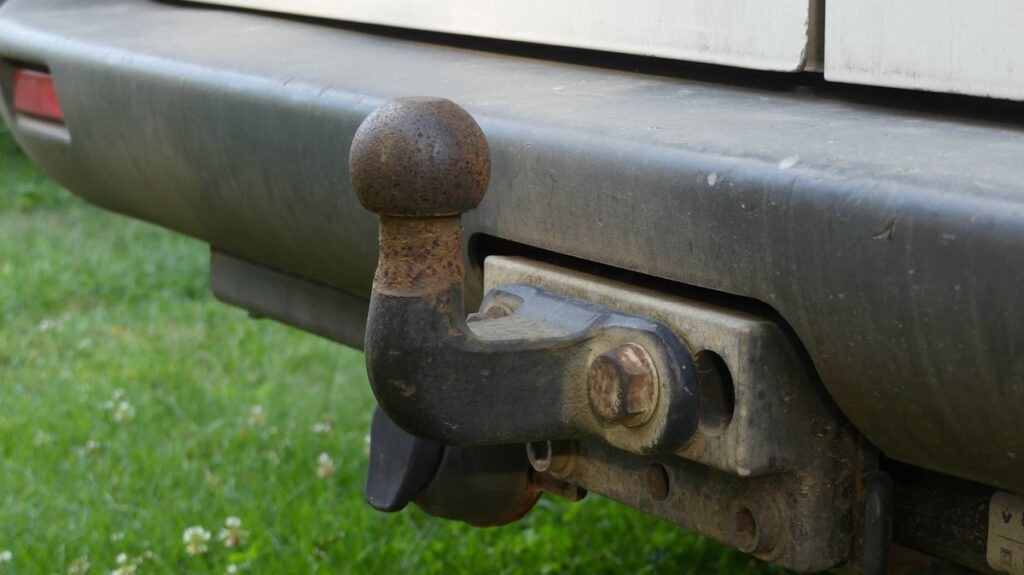
A complete breakdown of all five trailer hitch classes — Class I through Class V — including receiver size, weight ratings, and how to choose the right class for your tow vehicle and trailer.