How to Enhance Towing Stability with Anti-Sway Bars for Travel Trailers
Towing a travel trailer can be a rewarding experience, opening up new adventures and outdoor living. However, to truly enjoy these journeys, ensuring a safe and stable towing setup is paramount. This article will explore how to enhance towing stability with anti-sway bars for travel trailers, providing beginners with the knowledge needed to enjoy safer travels.
Understanding the Importance of Towing Stability
Maintaining towing stability is crucial for avoiding dangerous swaying, which can lead to loss of control. Anti-sway bars are instrumental in this respect, providing balance by minimizing trailer movement. Before further exploring this solution, it might be beneficial to understand proper weight distribution and sway control.
What Are Anti-Sway Bars?
Watch a Free Lesson
See how TowPro Academy teaches it step by step. Jeff McDonough, the founder, has 10+ years and 250,000+ miles of towing behind him.
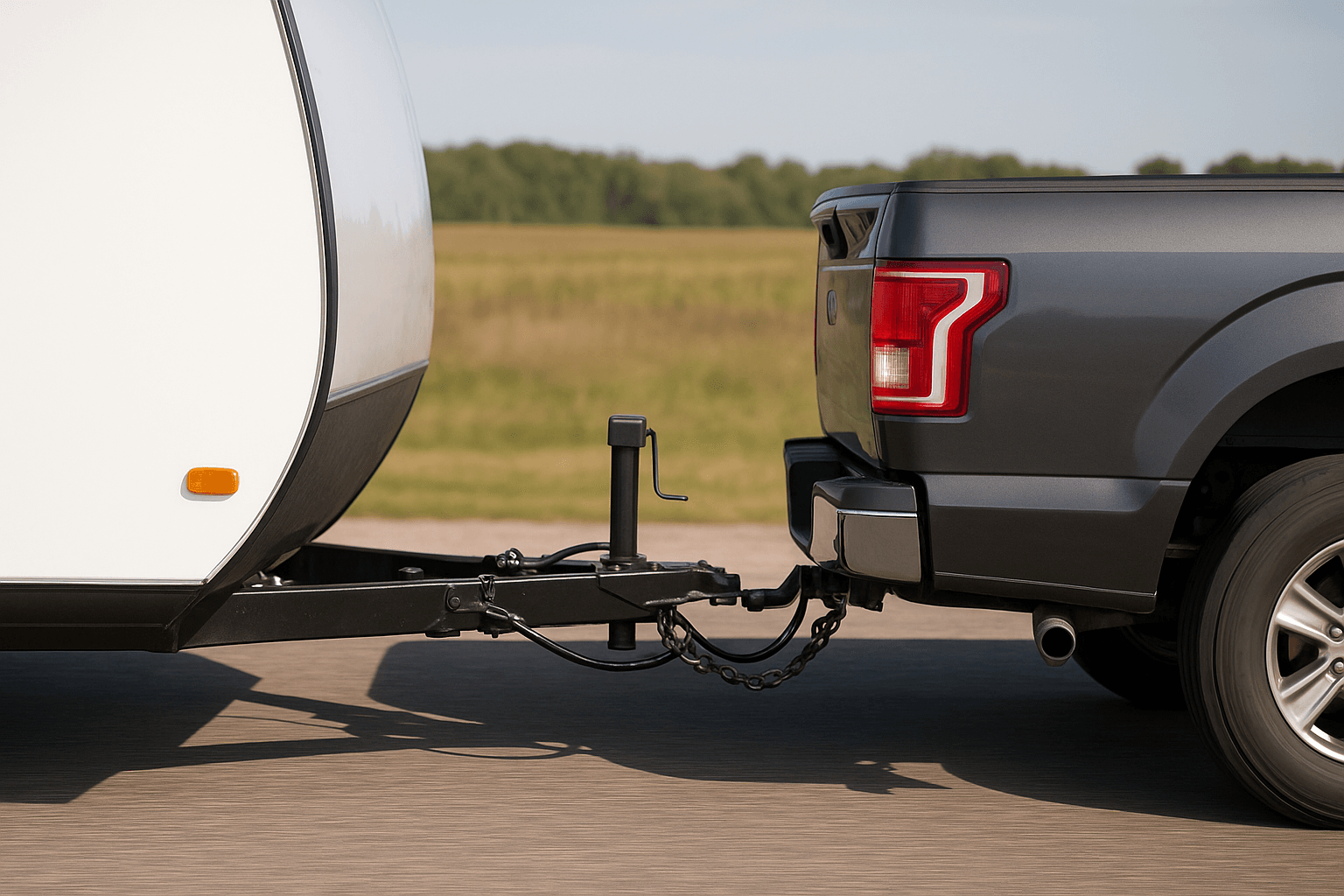
Anti-sway bars, also known as sway control devices, are attachments that connect to a trailer’s hitch system. They help by dampening side-to-side sway caused by wind, uneven roads, or steering adjustments. Understanding trailer hitch setups better can aid in maximizing the effectiveness of these devices.
Choosing the Right Anti-Sway Bar
Consider capacity, design, and your travel trailer’s towing conditions when selecting an anti-sway bar. Look for adjustable models that suit diverse trailer lengths. For insight on picking suitable equipment, check out our post on weight distribution hitches for trailers.
- Compatibility: Ensure the sway bar is compatible with your hitch.
- Capacity Limits: Meet the manufacturer’s weight specifications.
- Ease of Installation: Opt for a user-friendly installation process.
Installing Anti-Sway Bars
Installation is typically straightforward, making it possible for most trailer owners to handle at home. Generally, the task involves connecting the sway bar between your trailer’s frame and the hitch, with specific manufacturer instructions guiding the process.
Step-by-Step Installation
- Park on a flat surface and ensure the trailer is securely hitched.
- Attach the sway bar to the trailer’s frame using the brackets and bolts provided.
- Connect the sway bar to the hitch ball and tighten per the instructions.
- Perform a test drive and make adjustments as needed.
Remember that consistent maintenance is crucial to any trailer enhancement, revisiting your setup can prevent future issues. See our guide on trailer tire maintenance to ensure your trailer stays safe in all aspects.
The Benefits of Using Anti-Sway Bars
Once installed, anti-sway bars bring immediate benefits:
READY TO STOP GUESSING?
LEARN THE RIGHT WAY. BUILD THE SKILLS TO TOW MORE SAFELY.
Build the skills to tow more safely. 51 video lessons, one-time payment.
Free Download
Never Miss a Safety Check Again
The exact 66-point checklist Jeff runs before every tow, so small problems get caught before they become breakdowns. Enter your email and we will send it over.
Free PDF · Instant download · No spam, unsubscribe any time
One-time payment - 30-Day money-back guarantee
- Improved control during turns and maneuvers.
- Enhanced safety in crosswinds and high speeds.
- Decreased driver fatigue over longer distances.
Suitable for both novices and experienced drivers, these features make anti-sway bars a valuable addition. For related advice, explore our post on backing up your trailer.
Professional Insight
For those unsure about self-installation, seeking professional help is advised. Expert installers can verify proper setup, avoiding potential errors that might arise from DIY attempts. The National Highway Traffic Safety Administration (NHTSA) offers guidance on safety, including hiring certified professionals.
To gain comprehensive knowledge about towing techniques and safety, consider enrolling in the full TowPro Academy course.
Enhancing your vehicle’s towing stability increases both safety and enjoyment. Whether traveling across country or just across town, the right equipment builds confidence and minimizes risks. Aside from anti-sway bars, our guide on safely towing your boat trailer can enrich your understanding of stability in varying conditions.
Learn It Right the First Time
- 51 video lessons, hitching to backing to emergencies
- 950+ pages of PDF guides and checklists
- Final exam: score 80% to earn your certificate of completion
- 30-day refund if it is not for you
$79 through Oct 31 (regularly $99)
Frequently Asked Questions
How do anti-sway bars enhance towing stability?
Anti-sway bars enhance towing stability by reducing side-to-side trailer movement, often caused by wind or uneven road surfaces. This added balance makes towing smoother and safer.
Are anti-sway bars necessary for all travel trailers?
While not all trailers require anti-sway bars, they are recommended for larger or heavier trailers. They offer peace of mind, especially in windy conditions or during long journeys.
Can I install anti-sway bars myself?
Yes, many anti-sway bars are designed for DIY installation with straightforward instructions. However, consider professional assistance if you are unsure or uncomfortable handling the setup.
Stop guessing. Start towing with confidence.
The TowPro Course walks you through every skill in real road scenarios.
Step-by-step video lessons, a final exam, and printable lesson guides and checklists — everything in one place for $79 (fall special, reg. $99).
Enroll Now — $79 (Fall Special, reg. $99) →RELATED ARTICLES
- ›How to Park a Trailer (and Secure It So It Won’t Roll)
- ›1/2 Ton Truck Towing Capacity: What You Can Really Tow
- ›How to Adjust a Weight Distribution Hitch (Step-by-Step)
- ›How to Back a Trailer Into a Campsite (Even the Blind Side)
Ready to put it all together? Enroll in TowPro Academy and master safe towing in 51 step-by-step lessons.