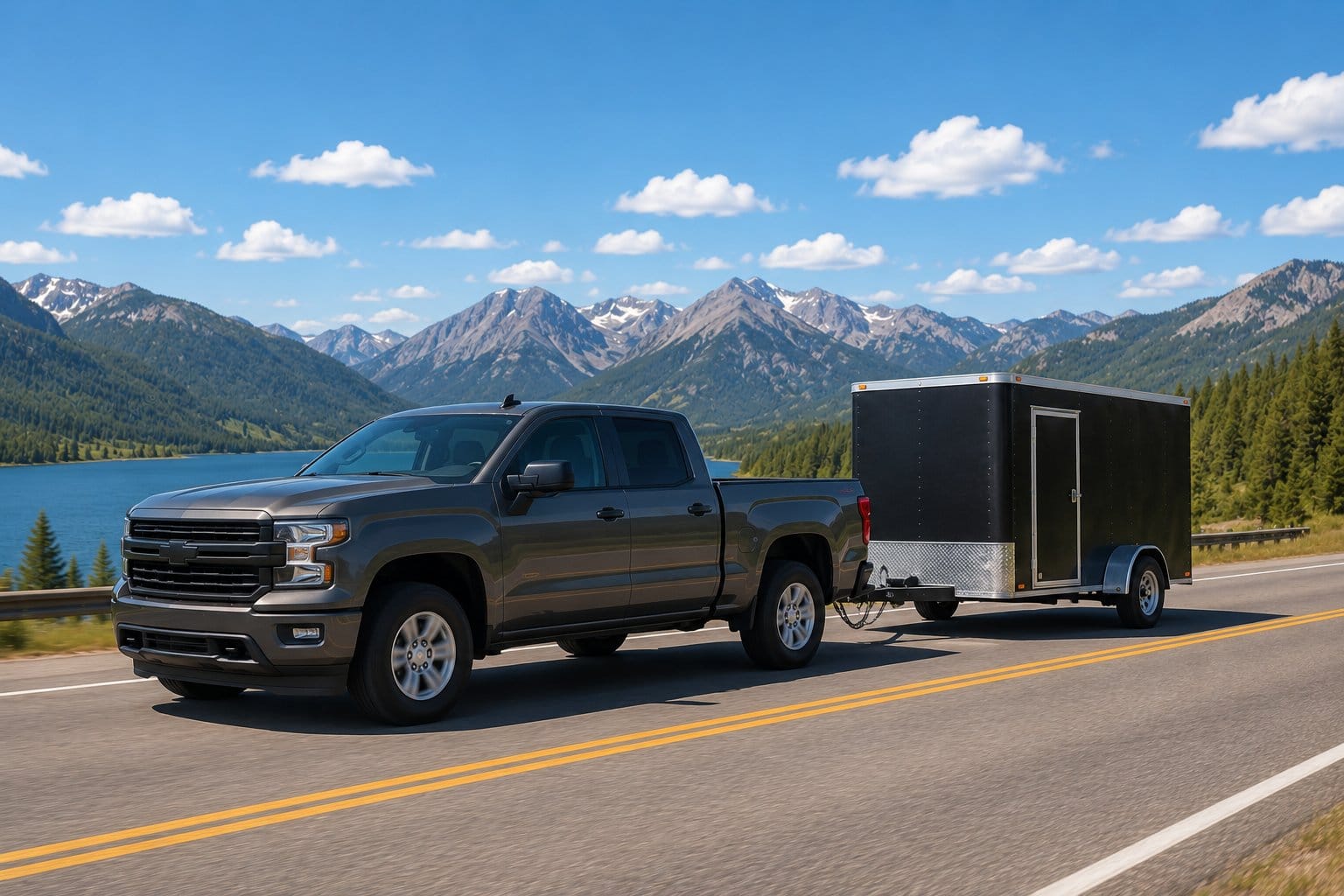
How to Tow a Trailer in the Rain: Safety Tips for Wet Roads
Learning how to tow a trailer in the rain is a skill every tower needs, because wet roads dramatically change how your rig handles. Reduced traction, longer stopping distances, and hydroplaning risk all increase the moment the pavement gets slick. This guide focuses specifically on rainy-weather towing, with practical tips to keep you and your trailer stable and safe when the skies open up.
Why Rain Makes Towing More Dangerous
Rain reduces the friction between your tires and the road, which lengthens braking distance and makes both your tow vehicle and trailer more prone to sliding. A trailer that loses traction can begin to sway or push the tow vehicle in a turn. Water also fills the gaps in worn tread, raising the risk of hydroplaning, where the tires ride on a film of water and lose contact with the road entirely.
Slow Down and Increase Following Distance
The single most effective rain-towing habit is reducing speed. Slower speeds cut hydroplaning risk and give you more time to react. Double your normal following distance so you can brake gradually rather than hard, since sudden braking on wet roads can lock a wheel or trigger sway. Smooth, gentle inputs on the wheel, brake, and throttle are essential.
Avoiding Hydroplaning
Hydroplaning is most likely at higher speeds, in standing water, and with worn tires. Keep your trailer and tow vehicle tires properly inflated with good tread, avoid puddles and pooled water when safe to do so, and if you feel the steering go light, ease off the throttle without braking hard and hold the wheel steady until traction returns.
Prepare Your Trailer for Wet Weather
Before towing in the rain, confirm all trailer lights and brakes work, since visibility and stopping power matter most in bad weather. Check tire tread and pressure, and make sure your load is secure and properly distributed. Proper tongue weight is even more important in the rain, so review our guide on how to load a trailer properly.
Visibility and Braking in the Rain
Turn on your headlights so other drivers can see you, use towing mirrors to watch your trailer, and keep your windshield and mirrors clear. Brake earlier and more gently than you would in dry conditions, and if your trailer has electric brakes, make sure the controller is set appropriately. For broader wet, windy, and winter conditions, see our complete guide on towing safely in bad weather. The National Weather Service also advises never driving through flooded roadways.
Learn More with TowPro Academy
Wet-weather towing comes down to preparation and smooth, patient driving. For a complete, step-by-step system covering control, braking, and bad-weather technique, explore the TowPro Academy towing course and tow with total confidence.
READY TO STOP GUESSING?
Free Download
Never Miss a Safety Check Again
The exact 66-point checklist Jeff runs before every tow, so small problems get caught before they become breakdowns. Enter your email and we will send it over.
Free PDF · Instant download · No spam, unsubscribe any time
Want the full system? TowPro Academy - 55 video lessons, lifetime access, $99
LEARN THE RIGHT WAY. TOW ANYTHING. FEAR NOTHING.
Tow with total confidence. 55 video lessons, one-time payment.
ENROLL NOWOne-time payment - 30-Day money-back guarantee
Frequently Asked Questions
How much should I slow down when towing in the rain?
Reduce your speed noticeably below the posted limit and well below your normal towing speed. Slower speeds cut hydroplaning risk and give you more time to brake and react on slick roads.
How do I stop my trailer from swaying in the rain?
Slow down, increase following distance, make smooth steering and braking inputs, and ensure proper tongue weight and tire condition. Avoid hard braking, which can trigger sway on wet pavement.
What should I do if I start to hydroplane while towing?
Ease off the throttle without braking hard, keep the steering wheel steady, and wait for the tires to regain traction. Avoid sudden movements that could upset the trailer.
Is it safe to tow through standing water?
Avoid it whenever possible. Standing water greatly increases hydroplaning risk, and flooded roadways can be deeper than they look. The National Weather Service advises never driving through flooded roads.
Stop guessing. Start towing with confidence.
The TowPro Course walks you through every skill in real road scenarios.
Step-by-step video instruction, towing calculators, and a printable checklist — everything in one place for $99.
Enroll Now — $99 →RELATED ARTICLES
- ›Trailer Towing Laws and Certification: What Each State Requires
- ›Is an Online Trailer Towing Certification Worth It?
- ›Online Towing Course vs. Learning on Your Own: Which Is Safer?
- ›How to Get a Towing Certification Online (Step-by-Step Guide)
Ready to put it all together? Enroll in TowPro Academy and master safe towing in 55 step-by-step lessons.