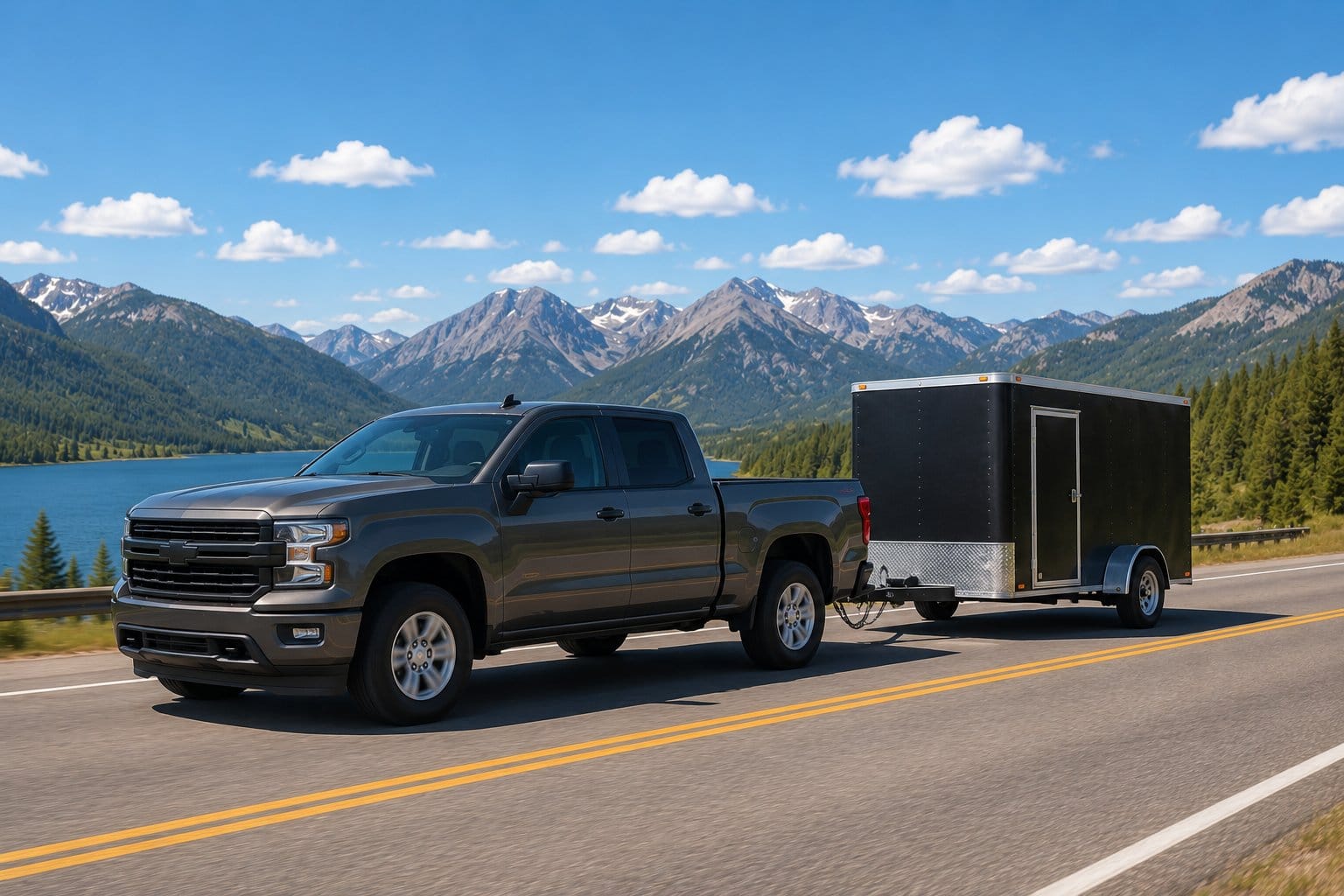
Your tow vehicle gets oil changes, tire rotations, and brake inspections. Your trailer deserves the same attention. The problem is most people only think about trailer maintenance when something goes wrong — a blowout on the highway, a corroded coupler that won’t latch, or a set of lights that stopped working an hour into a trip. A consistent trailer maintenance schedule prevents all of those scenarios and extends the life of your equipment significantly.
Why Trailer Maintenance Is So Often Neglected
Trailers are uniquely vulnerable to neglect. Unlike your truck, they don’t have a dashboard warning light to tell you something is wrong. They sit outside in all weather for months between uses. And because they’re “just” a trailer, it’s easy to assume they’re more durable and low-maintenance than they actually are. In reality, trailer components — especially tires, bearings, brakes, and lights — degrade steadily even when a trailer isn’t being used. Age and UV exposure affect tires just as much as mileage does. Wheel bearings that sit without use can corrode. Wiring connections exposed to moisture develop resistance that kills lights without obvious cause.
Before Every Trip: The Pre-Trip Inspection
Before every single tow, you should run through a pre-trip inspection that covers the basics. This is not optional maintenance — it’s the minimum acceptable safety check. Review the full Pre-Trip Towing Checklist for a comprehensive step-by-step, but here’s what it covers at minimum:
- Tire pressure and visual inspection for cracking or damage
- All trailer lights (brake, turn, running)
- Coupler and hitch connection
- Safety chains and breakaway cable
- Cargo tie-downs and load balance
- Electric brake function (if equipped)
Every 3 Months or 3,000 Miles: Regular Service Intervals
Watch a Free Lesson
See how TowPro Academy teaches it step by step. Jeff McDonough, the founder, has 10+ years and 250,000+ miles of towing behind him.
For trailers that get regular use, a quarterly service interval keeps things in good shape. At this interval, you should inspect and re-pack or check wheel bearings. Trailer wheel bearings are often the most overlooked and most failure-prone component on a trailer. Unlike car wheel bearings that are sealed units, most trailer axles use serviceable bearings packed with grease. They need to be inspected and repacked annually or every 12,000 miles — whichever comes first. Hot spots on hub covers after a trip are often the first sign that bearings are running dry. Catching this before a bearing seizes and destroys the hub (or causes a wheel to come off) is the whole point of regular inspection.
At this interval also inspect trailer brake pads and magnets. Electric trailer brake magnets wear over time and lose their ability to actuate the brake shoes properly. Check the magnet faces for scoring or wear — a worn magnet produces noticeably reduced braking force. Adjust the brake controller gain to compensate for wear as needed, but replace magnets when they’re worn through. See our complete guide on Electric Trailer Brakes and Brake Controllers for more detail.
Every 6 Months: Mid-Season Service
Twice a year, add the following to your inspection routine:
Inspect all trailer wiring. Look for cracked or chafed insulation, loose connections at the plug, and corroded connection points at each light housing. Trailer wiring takes a beating from road vibration, moisture, and UV exposure. A multimeter can help identify high-resistance connections that cause intermittent light failures. Clean corroded terminals with a wire brush or contact cleaner and apply dielectric grease to all connections.
READY TO STOP GUESSING?
LEARN THE RIGHT WAY. BUILD THE SKILLS TO TOW MORE SAFELY.
Build the skills to tow more safely. 51 video lessons, one-time payment.
ENROLL NOWOne-time payment - 30-Day money-back guarantee
Lubricate all moving parts. The coupler latch, hitch ball contact point, jack wheel and screw, and any fold-down or removable components on the trailer all benefit from regular lubrication. Use a quality marine-grade grease or white lithium grease on metal-to-metal contact points. Don’t use penetrating oil (like WD-40) as a substitute — it displaces moisture temporarily but doesn’t provide lasting lubrication.
Inspect the trailer frame for rust and damage. Surface rust on painted steel frames is cosmetic but shouldn’t be ignored — treat it with a rust converter and touch-up paint before it spreads to structural metal. Look for any cracks at welds, especially around the tongue, coupler mount, and axle brackets. These are stress concentration points that can fail under load.
Annual Service: The Full Inspection
Once a year — ideally before the start of your heaviest towing season — do a comprehensive service on your trailer:
Free Download
Never Miss a Safety Check Again
The exact 66-point checklist Jeff runs before every tow, so small problems get caught before they become breakdowns. Enter your email and we will send it over.
Free PDF · Instant download · No spam, unsubscribe any time
Repack or replace wheel bearings. Even if the bearings feel fine on inspection, full repacking with fresh grease is cheap insurance. At the same time, inspect the bearing races, seals, and hubs for wear or damage. Replace brake drums if they’re scored or worn past spec.
Check trailer tire age, not just tread. This is the single most important annual check most trailer owners miss. Trailer tires can look perfectly usable but be structurally degraded from age and UV exposure. The industry consensus is to replace trailer tires at 5–6 years regardless of tread depth, and never use tires older than 10 years under any circumstances. Check the DOT date code on the sidewall (a 4-digit number in an oval: the last two digits are the year of manufacture). A tire made in week 23 of 2018 reads “2318.” For detailed guidance on tire aging and blowout prevention, see our guide on Trailer Tire Safety.
Inspect and adjust brakes. Electric brakes need the shoes adjusted to the correct clearance from the drum. If the trailer has been used heavily, the brake shoes themselves may be worn enough to require replacement. Drum brakes on trailers are simple to service but must be in good condition to stop a loaded trailer on a grade.
Check the coupler for wear. A coupler that has worn to the point where it no longer holds tight to the hitch ball is a serious safety hazard. The coupler throat should fit snugly around the ball with minimal play. If you can rock the coupler significantly when it’s latched, the coupler is worn and should be replaced. A worn coupler dramatically increases the risk of detachment — and the risk of trailer sway.
Keep the Right Tools On Hand
A schedule only works if you can act on it. Keep these together in the truck or trailer: a quality tire pressure gauge, a torque wrench, a lug wrench that fits your trailer, a grease gun, spare bulbs and fuses, and a properly inflated spare with what you need to change it.
Lubrication and Electrical Care
Grease the coupler, the ball and other moving parts regularly to reduce friction and wear. At the same time, check the wiring connector, lights and signals. Apply dielectric grease to the connector pins to prevent corrosion, which causes many intermittent light failures.
When to Get a Professional Inspection
If you hear unusual noises, feel vibration, see uneven tire wear or notice weaker braking, have the trailer inspected instead of waiting for the next scheduled service. Periodic professional checks of the brakes and bearings catch small problems before they strand you.
Seasonal Storage Tips
If you store your trailer for an extended period (three months or more), there are additional steps that pay dividends when you pull it out again. Inflate tires to max sidewall pressure before storage to minimize flat-spotting. Apply a UV-protectant spray to tires and rubber components. Disconnect the trailer wiring from the tow vehicle (corrosion at the plug is accelerated when left connected). Grease all moving parts. If possible, store under cover — UV exposure is the single biggest cause of trailer component degradation over time. Before your first trip after storage, run through your full pre-trip inspection as if you’ve never checked the trailer before. Assume nothing is still in the condition you left it.
The Bottom Line
A well-maintained trailer is a safe trailer. The inspection and service intervals above aren’t onerous — a full annual service on a typical utility or travel trailer takes a few hours and costs relatively little. What it prevents is the kind of mid-trip failure that costs far more in repairs, lost time, and risk to you and other drivers. Build the maintenance schedule into your calendar the same way you would your truck’s service intervals. Your trailer will last longer, tow better, and never leave you stranded.
Want to learn how to set up, connect, and inspect your towing rig the right way before every trip? TowPro Academy’s truck towing course covers the full setup and inspection process in 51 structured video lessons for a one-time payment of $79.
Further Reading
- Trailer Tire Safety: Blowout Prevention, Age Limits, and What Every Tower Needs to Know
- Electric Trailer Brakes and Brake Controllers
- The Pre-Trip Towing Checklist Every Driver Needs
- How to Wire Trailer Lights: A Step-by-Step Guide
Ready to Tow With Confidence?
TowPro Academy is a trailer towing course built for truck owners who tow their own trailers. 51 lessons covering everything from hookup to backing up — one-time payment, learn at your own pace.
Start the Course — $79 One-TimeStop guessing. Start towing with confidence.
The TowPro Course walks you through every skill in real road scenarios.
Step-by-step video lessons, a final exam, and printable lesson guides and checklists — everything in one place for $79 (fall special, reg. $99).
Enroll Now — $79 (Fall Special, reg. $99) →Read Next
- Trailer Tire Safety
- Pre-Trip Trailer Inspection Checklist
- Towing Glossary: A–Z Definitions for Every Tower
- New to Towing? Start Here
- Complete Beginner’s Guide to Trailer Towing
Learn It Right the First Time
- 51 video lessons, hitching to backing to emergencies
- 950+ pages of PDF guides and checklists
- Final exam: score 80% to earn your certificate of completion
- 30-day refund if it is not for you
$79 through Oct 31 (regularly $99)
Frequently Asked Questions
How often should I service my trailer?
Inspect tires, lights, and the coupler before every trip, repack wheel bearings roughly once a year or every 10,000–12,000 miles, and check brakes and suspension seasonally. Follow the manufacturer’s schedule for your specific trailer.
How often should trailer wheel bearings be repacked?
Most trailer wheel bearings should be cleaned and repacked with fresh grease about once a year or every 10,000 to 12,000 miles. Trailers used in water, like boat trailers, need more frequent service.
What should I inspect before every towing trip?
Check tire pressure and tread, confirm all lights and signals work, verify the coupler is locked and chains are attached, and make sure the load is secure. A quick walkaround prevents most roadside failures.
How long do trailer tires last?
Trailer tires usually need replacement every three to six years regardless of tread depth, because the rubber ages and cracks from sun and load. Check the date code and inspect sidewalls for weathering.
How often should I re-torque trailer lug nuts?
Monthly or every few trips, and always after a wheel has been removed. Trailer wheels loosen more readily than passenger-car wheels.
Learn More with TowPro Academy
Ready to master every aspect of safe, confident towing? The full TowPro Academy towing course walks you through hitching, weight distribution, braking, backing up, and real-world road handling step by step — so you can hit the road prepared and tow with more confidence.
RELATED ARTICLES
- ›Night Towing: Tips and Techniques for Safe After-Dark Driving
- ›How to Buy a Used Trailer: What to Look For Before You Commit
- ›Towing Laws by State: What Every Driver Needs to Know
- ›How to Tow a Car on a Flatbed Trailer: The Complete Guide
Ready to put it all together? Enroll in TowPro Academy and master safe towing in 51 step-by-step lessons.